
A machine tool is used to mill, shape, grind, or cut raw materials to produce components for the agriculture, construction, general manufacturing, and many other industries we serve. CNC lathes, grinders, milling equipment, and other machine tools require hydraulic hoses for proper operation. With hydraulics, machine tool designers can develop practical, powerful functions to enhance the reliability and performance of these machines.
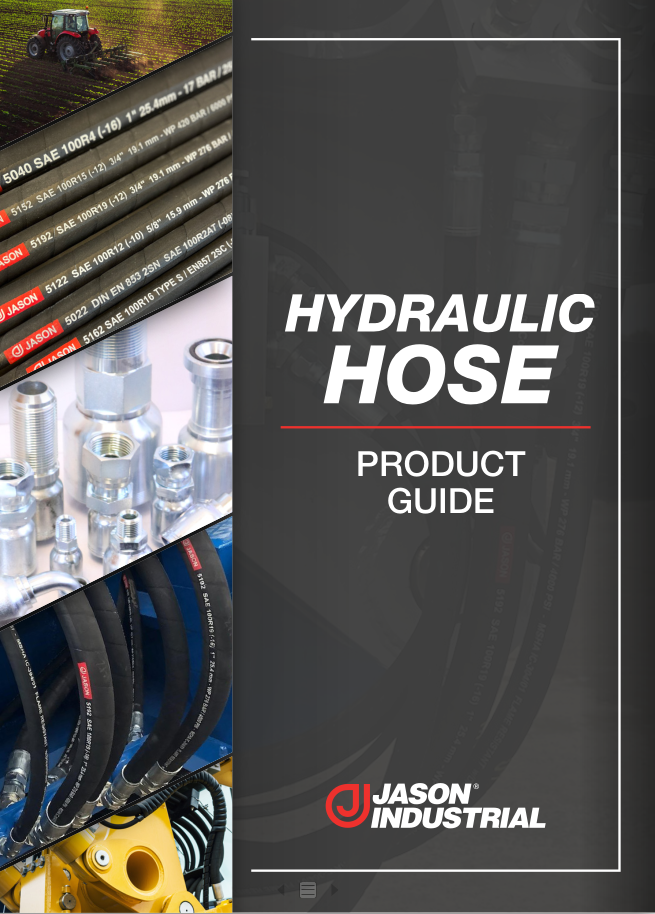
Machine tool hoses effectively transfer hydraulic oil or other fluids from one location to another. They must be flexible and highly durable to withstand high-pressure fluid transfer. Learn more about the role of hoses in hydraulic systems, the importance of hoses in machine tools, and the selection of hydraulic machine tool hoses available from Jason.
Hoses in Hydraulic Systems
Hydraulic systems rely on pressurized fluids to transmit, generate, and control power. A high-quality hydraulic hose is an integral part of the hydraulic system and essential to the functioning of machine tools. In CNC machines, the hydraulic system uses fluid pressure to efficiently move and control workpieces, clamps, cutting tools, and other vital parts.
The primary components of a hydraulic system in machine tools include:
- Pump
- Hydraulic Fluid
- Reservoir
- Valves
- Actuators
Here is a step-by-step example overview of how hydraulic systems work:
- The pump pulls the hydraulic fluid out of the reservoir and pressurizes the fluid.
- The pressurized hydraulic fluid traverses through a hydraulic hose, acting on a wedged cylinder and pushing on a log until it splits.
- As the piston retracts, the fluid gets pushed back by the cylinder into a return hose, which leads to the reservoir.
- The fluid is given time to cool as it prepares for the next cycle.
The hydraulic hose, cylinder, pump, and reservoir are all essential components of the hydraulic system. Hydraulic hoses are responsible for connecting these components, creating a network for the fluid to flow freely throughout the hydraulic system. These reinforced hoses are extremely flexible and designed to withstand the high-temperature and high-pressure conditions in industrial hydraulic systems.
Resources